
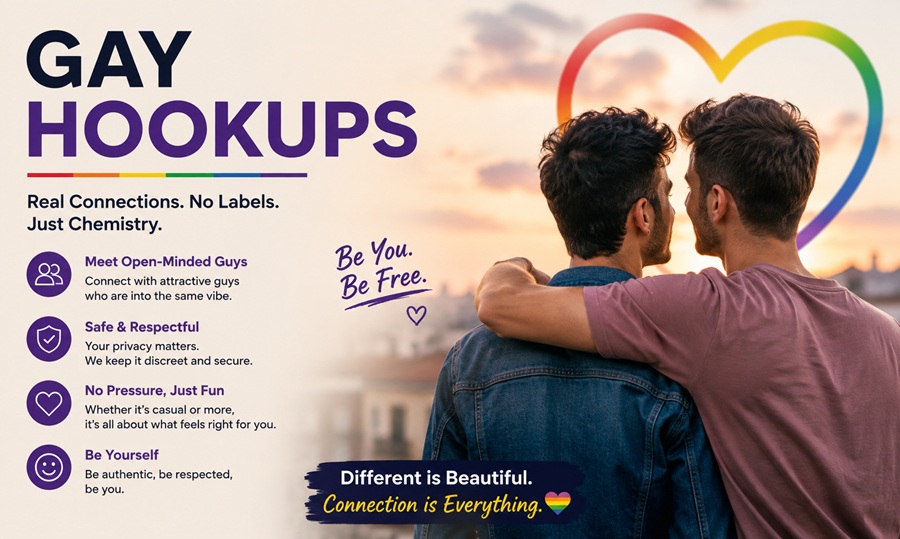
Navigating gay hookups safely means prioritizing clear consent, verifying who you’re meeting before an in-person visit, telling a friend your plans, and using reputable apps with safety features. Communication about boundaries and expectations upfront leads to better experiences for everyone involved.
Myth vs Fact: Setting the Record Straight
Hookup culture within gay communities carries a lot of assumptions — some accurate, many outdated. Separating myth from fact helps set realistic, respectful expectations, particularly for anyone newer to using apps or navigating this side of dating.
Myth: Hookup apps are unsafe by default.
Fact: Reputable apps with photo verification, in-app messaging, and reporting tools are significantly safer than meeting strangers with no digital trail, and most major platforms have invested heavily in safety features over the past several years.
Myth: Talking about boundaries kills the mood.
Fact: Clear, upfront communication about expectations and consent is consistently rated by users as making encounters more enjoyable, not less, since it removes uncertainty and awkward guesswork.
Myth: Safety precautions only matter for strangers, not established connections.
Fact: Basic safety steps — sharing location, meeting in public first — are good practice regardless of how a connection started, since even people you’ve talked to extensively online remain, in a practical sense, strangers until you’ve met in person.
Choosing a Platform
Not all apps are built the same. Look for platforms with active moderation, verified profiles, and clear community guidelines around consent and harassment. Reading recent reviews before committing time to a new app can save frustration, particularly around how responsive the platform is to reported issues.
It’s also worth taking time to set up your own profile thoughtfully — clear photos, honest information about what you’re looking for, and a bit of personality go a long way toward attracting compatible connections and filtering out mismatched expectations before they become an in-person issue.
Safety Checklist Before Meeting
- Video chat or voice call before meeting in person
- Share your plans and location with a trusted friend
- Meet in a public place first when possible, or ensure someone knows the private address
- Keep your own transportation so you’re not dependent on the other person
- Trust your instincts — it’s always okay to cancel
- Check in with your friend at an agreed time during or after the meetup
Consent and Communication
Clear communication before and during any encounter isn’t a formality — it’s what makes the experience good for both people. Discussing boundaries, preferences, and any health considerations openly beforehand removes ambiguity and builds mutual respect.
This includes being comfortable changing your mind at any point, even after initially agreeing to something. Consent is ongoing, not a single checkbox at the start of an encounter, and any partner worth spending time with will respect a change of mind without pressure or guilt-tripping.
Sexual Health Basics
Regular testing, open conversations about status, and knowledge of prevention options like PrEP are widely recommended by public health organizations for anyone sexually active outside a mutually monogamous relationship. Local LGBTQ health clinics often provide free or low-cost testing and confidential guidance.
Building a habit of regular testing — every three to six months for sexually active individuals with multiple partners, according to most public health guidance — removes a lot of anxiety around these conversations and makes them a normal, low-stakes part of dating rather than an uncomfortable exception.
Building Genuine Connections Beyond the Physical
Not every connection that starts as a hookup stays purely casual, and there’s no need to force it into a fixed category from the outset. Many people find that being upfront about openness to where things go — rather than rigidly labeling an interaction before it happens — leads to more honest, comfortable connections overall.
Community also plays a meaningful role beyond individual encounters. Many cities have LGBTQ social groups, sports leagues, and events that offer a lower-pressure way to meet people outside of app-based hookup culture entirely, and building a broader circle of connection often makes both dating and hookup culture feel less transactional.
Handling Rejection and Ghosting Gracefully
Rejection and ghosting are unfortunately common across all forms of online dating and hookup culture, and they say very little about your worth as a person. A message that goes unanswered, or a planned meetup that falls through, is far more often about the other person’s own circumstances or hesitations than anything about you.
Setting your own standard for how you treat others — responding clearly rather than ghosting, being honest about disinterest rather than leaving someone hanging — contributes to a healthier overall culture on the apps you use, even if you can’t control how others behave in return.
Understanding Different Comfort Levels With Visibility
Not everyone using gay hookup or dating apps is equally out or comfortable with public visibility, and this varies widely based on personal circumstances, family situation, career, and location. Being respectful of a partner’s comfort level around visibility — whether that means being mindful about public settings or not assuming someone will be tagged in photos — is an important, often overlooked, aspect of consent and respect in this context.
It’s also worth remembering that comfort with visibility can change over time, and someone who’s cautious early on isn’t necessarily indicating a lack of genuine interest — often it simply reflects where they currently are in their own personal journey.
Balancing Spontaneity With Preparation
None of the safety steps outlined above need to feel like they drain spontaneity from the experience. Most become quick habits after a little practice — a two-minute video call, a text to a friend, confirming a location — that fit naturally into the process of connecting with someone new rather than feeling like an obstacle to it.
A Note on Self-Respect and Standards
It’s worth remembering that having clear standards — about communication, respect, and how you want to be treated — isn’t incompatible with casual connection. Some of the most positive experiences people describe come from interactions where both people were upfront, respectful, and comfortable saying no to anything that didn’t feel right, proving that safety and enjoyment aren’t in tension with each other.
Frequently Asked Questions
☑ What’s the safest way to meet someone from a hookup app for the first time?
Video chat beforehand, meet in a public place initially if possible, and always tell a trusted friend your plans and location, including a rough idea of when you expect to check back in.
☑ How do I talk about boundaries without it feeling awkward?
Framing it as care rather than caution — ‘I like to be upfront about what I’m comfortable with’ — usually puts both people at ease and often leads the other person to reciprocate with their own boundaries.
☑ Are hookup apps only for casual encounters?
No, many people use the same apps for dating, friendship, or long-term relationships, so it’s worth being clear about your own intentions in your profile to avoid mismatched expectations.
☑ What should I do if someone pressures me after I’ve said no?
Leave the situation immediately if you can do so safely, and report the behavior through the app or platform you used to connect, since most platforms take these reports seriously.
☑ Where can I find LGBTQ-friendly health resources?
Local LGBTQ community centers and clinics such as Planned Parenthood in the US, or equivalent national services in the UK, Canada, and Australia, typically offer confidential, judgment-free care and can often connect you with additional community support.
☑ Is it okay if a hookup turns into something more serious?
Absolutely — many relationships begin as casual connections, and being open and honest with each other as feelings evolve is more important than the label the interaction started with.
☑ How should I handle being ghosted after connecting with someone?
It’s a common and impersonal experience that usually reflects the other person’s own circumstances rather than your worth, and setting your own standard of clear, honest communication is the best response within your control.
Gay hookup culture, like any form of dating, works best when it’s grounded in clear communication, consent, and basic safety habits. Taking a few practical precautions doesn’t diminish spontaneity — it protects it, giving everyone involved the confidence to enjoy the experience without unnecessary risk, and building these habits early makes them second nature over time.